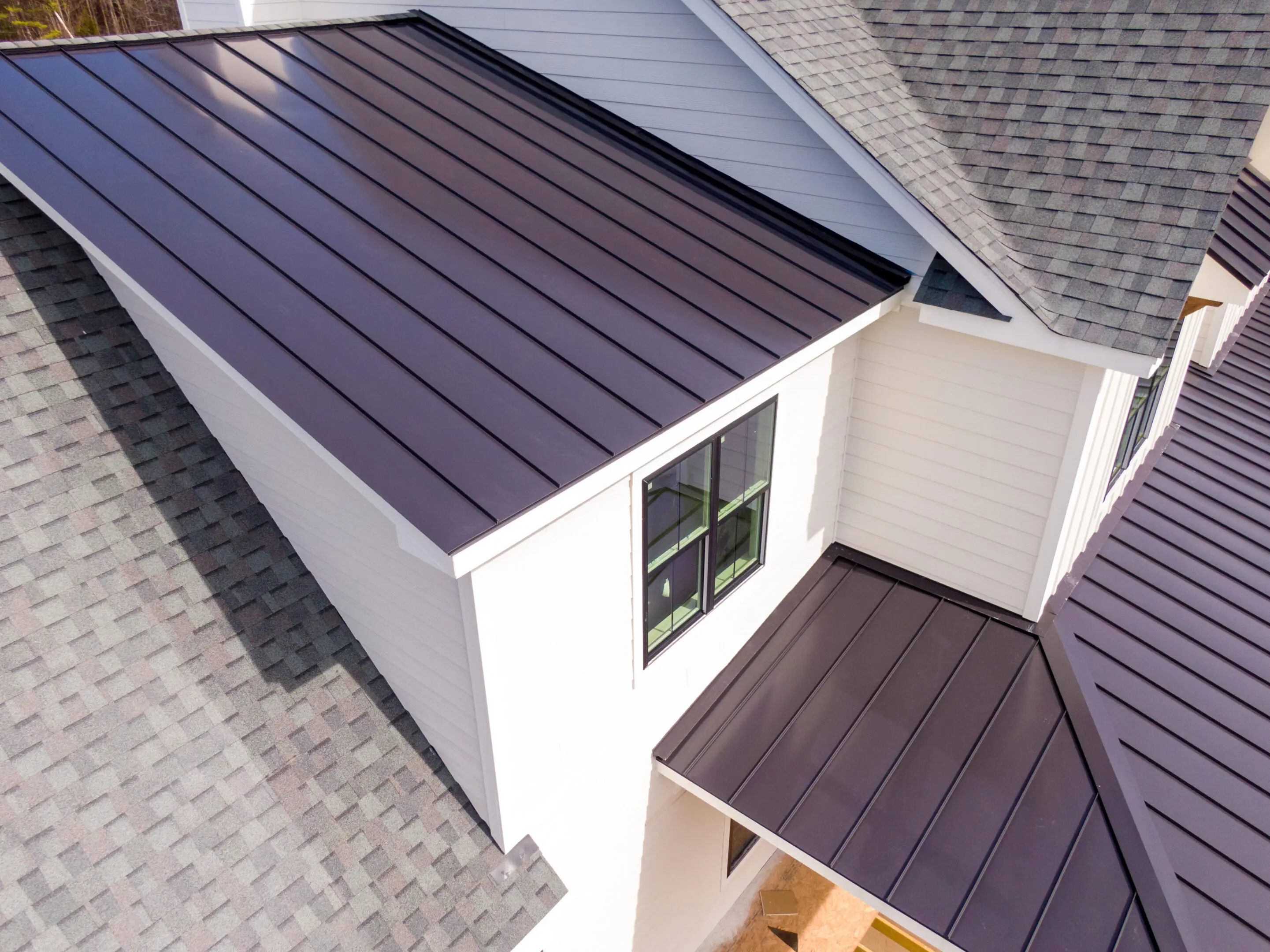
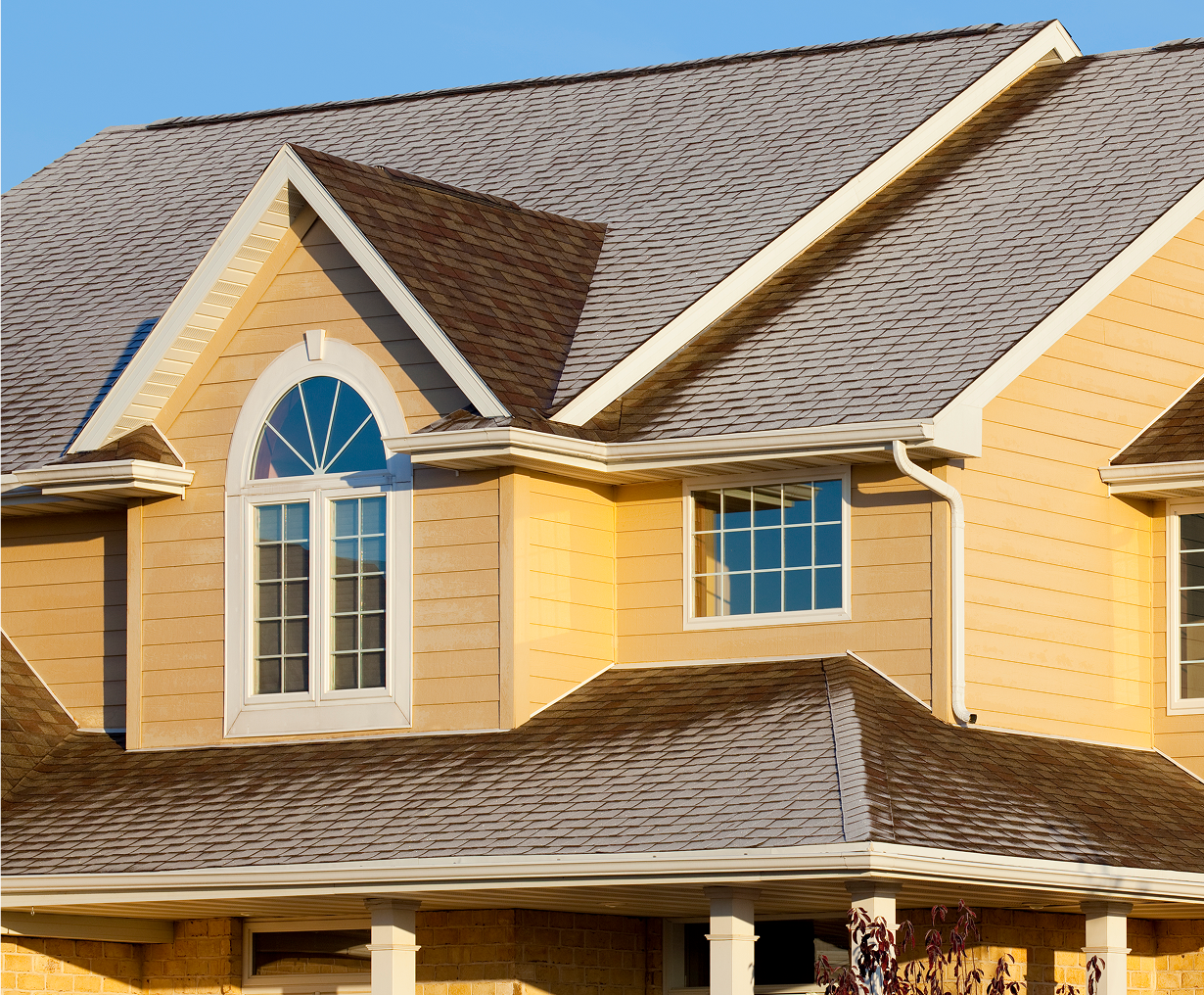
Two-story house with large windows

Reliable
Industrial Modified Roofing Solutions

Polymer-modified bitumen or modified bitumen sheet membranes were developed in Europe in the early 1960s and have been in use in the U.S. since the mid-1970s. Polymer-modified roof membranes are composed of reinforcing fabrics that serve as carriers for the hot polymer-modified bitumen as it is manufactured into a roll material. Modified roof system membranes are composed of multiple layers. Modified roof systems are typically installed as a two-ply system and are almost always fully adhered.

Different Kinds of Membranes

There are two types of modified roofing membranes:

  • SBS polymer-modified bitumen membranes are commonly installed in hot moppings of asphalt or cold adhesive. Some SBS-modified membranes are self-adhering; that is, they contain an adhesive backing.
  • APP polymer-modified bitumen membranes typically are heat-welded or torch-applied. Consumers should be cautioned that the National Roofing Contractors Association (NRCA) does not recommend torch-applying a modified bitumen membrane sheet directly to a wood deck.

Benefits of Modified Roofing

  • Polymer modification to asphalts results in greater elongation and the ability to accommodate building movement.
  • Versatile Application Options: hot asphalts, cold adhesives, or hot air.
  • A variety of modified types and millages are available to better provide resistance against foot traffic and common rooftop abuse when needed..
Aerial view of sleek metal roof